
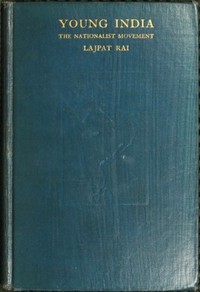
Young India by Lala Lajpat Rai
Lala Lajpat Rai's Young India is a powerful snapshot of a nation's soul-searching. Published in 1916, it collects his essays and speeches aimed directly at the youth of India. This isn't a single narrative with a plot, but a compelling argument with a clear mission.
The Story
Think of the book as a guide written in the middle of a storm. Rai is talking to young Indians who are watching their country struggle under British control. He lays out the problems clearly: economic exploitation, a failing education system, and a sense of political helplessness. But this isn't just a list of complaints. The real 'story' is Rai's blueprint for change. He argues that freedom starts from within. He pushes for self-reliance, a revival of Indian culture and education, and, crucially, the moral courage to demand rights. He discusses everything from the value of Indian languages to the need for technical skills. The central conflict is internal and external: how to shed the mentality of a subject and become the architects of a new nation.
Why You Should Read It
What struck me most was how contemporary Rai's voice feels. His calls for critical thinking, practical education, and national pride aren't locked in the past. You can feel his frustration and his hope on every page. He’s not a distant figure; he’s a mentor trying to light a fire. Reading his words, you understand that the fight for independence wasn't just about protests and politics—it was a massive project of rebuilding confidence and identity. It makes history feel personal and urgent.
Final Verdict
This book is perfect for anyone interested in the foundations of modern India, students of history who want to go beyond dates and battles, and readers who enjoy political philosophy from the source. It’s also great if you like understanding how ideas can mobilize a generation. It’s not a light read, but it’s a profoundly rewarding one. You’re getting the raw, unfiltered thoughts of a key figure at a turning point in history. Approach it like a series of passionate conversations, and you'll find it incredibly moving and thought-provoking.
This historical work is free of copyright protections. Preserving history for future generations.
Thomas Harris
4 months agoThis book was worth my time since it creates a vivid world that you simply do not want to leave. Worth every second.
Ava Brown
1 year agoThis is one of those stories where it challenges the reader's perspective in an intellectual way. Highly recommended.
Oliver Allen
6 months agoRecommended.
Susan Torres
1 year agoGreat reference material for my coursework.

Jessica Moore
10 months agoI was skeptical about the depth of this book at first, but the visual layout and supporting data make the reading experience very smooth. A refreshing and intellectually stimulating read.