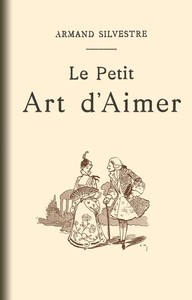
Le Petit Art d'Aimer by Armand Silvestre
Let's be clear: if you're looking for a plot with twists, turns, and a cast of characters, this isn't that book. Le Petit Art d'Aimer is a collection of prose poems and observations. Think of it as a series of beautifully crafted vignettes or essays, each one examining a different facet of love—from first flirtation to deeper passion, and even its occasional disappointments. Silvestre writes as a observer of the human heart, using scenes from daily life, nature metaphors, and a good dose of French wit to make his points.
The Story
There's no linear narrative. Instead, Silvestre takes us on a tour of love's many moods. One moment he's describing the nervous thrill of a secret glance across a room, the next he's comparing a lover's patience to a hunter waiting for game—a metaphor that feels very of its time! He celebrates spontaneity and genuine emotion, often contrasting it with the rigid, performative courtship rituals of 19th-century French society. The 'story' is the unfolding of an attitude: love as an art to be practiced with feeling, not just a set of rules to be followed.
Why You Should Read It
I loved this book for its voice. Silvestre isn't a starry-eyed romantic; he's playful, sometimes cynical, but ultimately a believer. Reading it feels like uncovering a historical artifact that's still strangely relevant. Some of his views will make you chuckle (or cringe) at how much has changed, but then he'll nail a universal truth about jealousy or longing that hits home even today. It's a snapshot of how one clever man grappled with the oldest subject in the world. You're not just reading about love; you're getting a peek into the social mind of the late 1800s.
Final Verdict
This is a perfect little book for a curious reader who enjoys historical vibes, poetry, and people-watching—even if the people lived 150 years ago. It's for anyone who likes to sip, not gulp, their reading material. You'll appreciate it if you've ever read a classic like The Art of Love by Ovid and wondered, 'What would a French poet say about this?' It's also a great companion for a quiet afternoon, maybe with a cup of coffee, when you're in the mood for something thoughtful, elegant, and short. Just don't expect a sweeping drama; expect a charming, insightful conversation with the past.
This digital edition is based on a public domain text. Knowledge should be free and accessible.